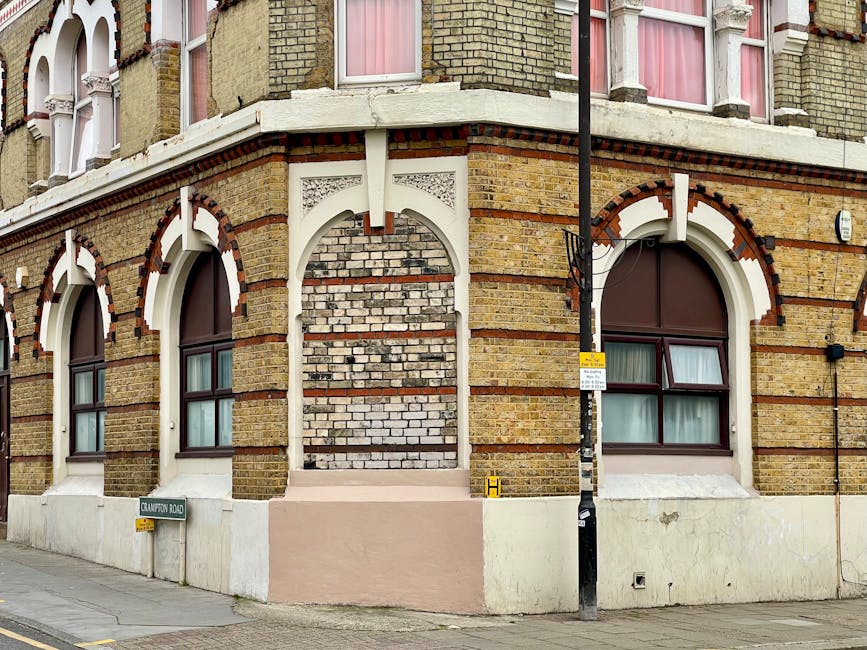
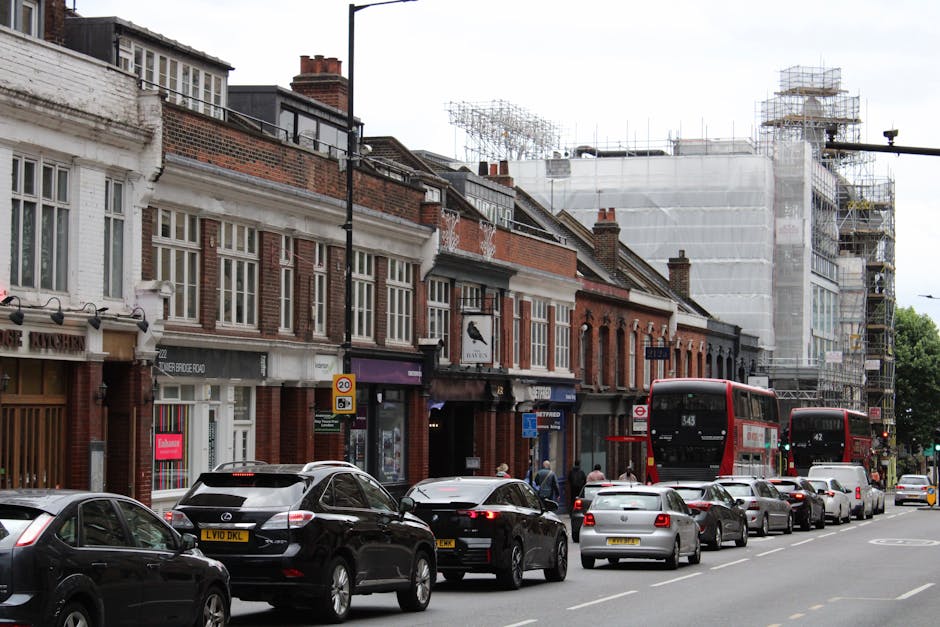
Kennington office removals for Waterloo Road and Kennington Road
If you are planning Kennington office removals for Waterloo Road and Kennington Road, the real challenge is rarely just moving desks and boxes. It is keeping the day calm, the team informed, and the business running with as little disruption as possible. That is the bit people underestimate. One minute the office feels normal; the next you are trying to figure out who packed the printer leads, where the client files went, and whether the lift is available at the exact moment the movers arrive. Bit of a juggling act, really.
This guide explains how office removals in this part of Kennington work, what to expect on busy local streets, how to plan properly, and which details make the difference between a smooth relocation and a stressful one. It is written for business owners, office managers, facilities teams, and anyone who needs practical, local advice rather than vague moving talk.
Along the way, you will also find useful links to company information such as who we are, pricing and quotes, and our insurance and safety information, because trust matters when you are handing over a working office.
Table of Contents
- Why Kennington office removals for Waterloo Road and Kennington Road Matters
- How Kennington office removals for Waterloo Road and Kennington Road Works
- Key Benefits and Practical Advantages
- Who This Is For and When It Makes Sense
- Step-by-Step Guidance
- Expert Tips for Better Results
- Common Mistakes to Avoid
- Tools, Resources and Recommendations
- Law, Compliance, Standards, or Best Practice
- Options, Methods, or Comparison Table
- Case Study or Real-World Example
- Practical Checklist
- Conclusion
- Frequently Asked Questions
Why Kennington office removals for Waterloo Road and Kennington Road Matters
Kennington is a busy, working part of London, and Waterloo Road and Kennington Road sit right in the middle of that everyday movement. Offices here often deal with narrow access points, timed deliveries, mixed-use buildings, residents nearby, and the simple reality that not every route is convenient for a large van or lorry. That affects how an office move should be planned from day one.
For many businesses, the move is not just about transport. It is about avoiding downtime, protecting equipment, keeping confidential paperwork secure, and making sure staff can get back to work quickly. If you are moving a small practice, a creative studio, a consultancy, or a shared office, the needs will be slightly different, but the stakes are similar. You want the move done cleanly, with minimum drama. No one enjoys a Monday morning that starts with missing monitors and an angry email thread.
Local office removals matter because location shapes logistics. A move near Waterloo Road may need tighter scheduling because of traffic and nearby footfall, while premises near Kennington Road may involve access considerations, parking, and building rules that need sorting in advance. These are the small details that save hours later.
Practical takeaway: In office removals, the best outcomes usually come from local knowledge, careful packing, and a realistic schedule, not from rushing at the last minute.
If you are still comparing providers, it helps to understand how the business operates and what standards it follows. Pages like health and safety policy and terms and conditions are worth reviewing early, not after the move has already started.
How Kennington office removals for Waterloo Road and Kennington Road Works
Office removals usually follow a straightforward structure, but the quality of execution depends on how well each stage is handled. The process is more controlled than a domestic move because there are business assets, data risks, shared responsibilities, and often limited time windows.
Most moves begin with a survey or detailed discussion. This is where the removal team looks at the volume of furniture, IT equipment, archive boxes, specialist items, access routes, lift use, and the timing of the move. If the office has a tricky layout or basement storage, that should be flagged early. Truth be told, the survey is often where problems are prevented.
Then comes planning. That means setting a move date, agreeing the sequence of packing and loading, deciding what should be dismantled, and identifying what must stay live until the last possible moment. Internet routers, servers, phones, and client files tend to be the key pressure points. They need extra care and, in some cases, a separate handling plan.
On moving day, the team should arrive with the right equipment: trolleys, protective blankets, straps, tools, labels, and packing materials. Good movers do not just lift things and hope for the best. They work in sequence. Items are labelled, loaded methodically, and delivered in the right order so the new office can become functional quickly.
A decent office removal also includes practical finishing touches. That might mean reassembling desks, placing furniture by department, or positioning archive boxes in the correct rooms so staff are not hunting around on day one. That part can feel small, but it is not small at all. It is what turns a move into a working office.
Key Benefits and Practical Advantages
There are clear advantages to using a professional office removals service in this part of Kennington. The obvious one is reduced physical strain, but the less obvious one is control. A planned move gives you control over timing, risk, and workload.
- Less disruption: Staff can keep working for longer, and the move can be staged around business hours where needed.
- Better protection: Office furniture, electronics, and documents are less likely to be damaged when handled properly.
- Stronger confidentiality: Sensitive files and devices can be packed and moved in a controlled way.
- Faster setup: Labelled items and room-by-room placement help teams settle into the new office quickly.
- Clearer accountability: When a move is managed properly, everyone knows who is doing what, and when.
There is also a morale benefit. Staff tend to relax when the move feels organised. If people walk in on moving day and see stacks of labelled boxes, wrapped monitors, and a team that knows the plan, they settle. If they see chaos, well, that mood spreads fast. Offices have enough stress already.
For business owners, the practical advantage is simple: you get back to normal sooner. And that is often the real measure of a good office removal. Not the boxes. The recovery time.
Who This Is For and When It Makes Sense
This kind of service is useful for a wide range of organisations, especially if your office is based near Waterloo Road or Kennington Road and you need a move that is local, coordinated, and time-sensitive.
It makes sense for:
- small and medium-sized offices relocating to a new nearby space
- professional practices moving files, desks, and IT equipment
- shared offices or coworking teams changing units
- businesses downsizing, expanding, or reconfiguring layouts
- organisations with fixed reopening dates or contractual handover deadlines
It also makes sense if your team lacks the time or equipment to do the move in-house. Let's face it, asking a few staff members to move filing cabinets between meetings is rarely the best use of their day. They may be willing, but that does not mean it is efficient.
If your move involves valuable stock, specialist furniture, or IT-heavy workstations, the case for professional help becomes even stronger. The same applies if the building has awkward access, limited parking, or strict moving hours. Those conditions can turn a simple job into a messy one pretty quickly.
If you want to understand the company background before making a decision, the about us page is a sensible place to start. For practical support on getting started, the contact page is the easiest route.
Step-by-Step Guidance
The best office removals happen in stages. That sounds obvious, but many problems come from people trying to do everything at once. Here is a realistic way to approach the move.
- Confirm the move date and window. Decide whether you are moving after hours, over a weekend, or in phases. This affects staffing, access, and downtime.
- List every item that needs moving. Include furniture, monitors, printers, phones, archive boxes, kitchen items, and any specialist kit.
- Identify fragile, valuable, or confidential items. These need clear handling instructions and, sometimes, separate packing.
- Check building access. Think about lifts, stairs, loading areas, keys, buzzers, and any restrictions on vehicle size or arrival times.
- Set a packing system. Use labels for departments, desk numbers, or destination rooms so items land in the right place.
- Back up data and secure devices. Do not leave this to chance. It is one of those jobs that feels boring right until it becomes urgent.
- Dismantle only what needs dismantling. Some furniture travels better whole; some does not. A sensible team will know the difference.
- Load in the right order. Essentials and priority items should be accessible first at the new office.
- Rebuild and check. Make sure desks, chairs, and equipment are placed correctly and that nothing is missing.
- Walk the site before you finish. A final sweep catches overlooked items, loose cables, and last-minute snags.
A small tip here: create one person on the client side who makes the decisions on the day. If instructions come from six different people, the move slows down. A lot.
Expert Tips for Better Results
Good office removals are rarely about force. They are about judgement. The more experienced the mover, the more they tend to value preparation over speed for its own sake.
One useful habit is to separate essentials from non-essentials before the removal team arrives. Everyday stationery, personal items, and duplicate documents should be cleared out in advance. That keeps the move leaner and helps avoid boxed-up clutter being carried to the new site "just in case". We have all seen that box, the mysterious one that follows every office from address to address.
Another tip is to photograph cable setups before disconnecting them. This simple step saves time when workstations are being reassembled. It is not glamorous, but then neither is crawling under a desk with a torch at 8:30 a.m.
Here are a few more practical ideas:
- label every box on at least two sides
- keep critical files and devices with a named person where appropriate
- bundle small parts, screws, and fixings in sealed bags
- use colour coding for departments or floors
- set aside a first-day essentials box with chargers, adapters, pens, and basic tools
If the move involves sensitive data or regulated records, ask how the team handles confidentiality. It is entirely reasonable to ask. In fact, it is wise.
For businesses that also care about how materials are handled after a move, the recycling and sustainability information can be helpful when deciding what to reuse, donate, or dispose of responsibly.
Common Mistakes to Avoid
Most office moves go wrong for ordinary reasons, not dramatic ones. The problems are usually preventable. That is the frustrating part.
- Leaving packing until the last minute. The final day then turns into a scramble, and someone always forgets a critical item.
- Not checking access in advance. A perfectly good removal plan can stall if the lift is too small or the loading bay is blocked.
- Failing to back up digital work. Data protection is not something to improvise.
- Ignoring insurance details. If something unexpected happens, you want to know where you stand.
- Mixing everything together. When boxes are not labelled properly, the new office becomes a maze of "whose is this?"
- Underestimating staff communication. If people do not know what is happening, small anxieties grow fast.
One very human mistake is assuming the move will somehow sort itself out on the day. It won't. Not really. Good removals are mostly the result of boring, early, sensible decisions. That is not glamorous, but it works.
Another common issue is overpacking. A box that looks fine in the office can become awkward and unsafe when carried down stairs or through a narrow doorway. Keep boxes manageable. Your back will thank you, quietly and without fuss.
Tools, Resources and Recommendations
You do not need a complicated toolkit to manage an office move well, but a few practical resources make the process much smoother.
| Item or Resource | Why It Helps | Best Use |
|---|---|---|
| Printed move plan | Keeps everyone aligned even if devices run out of battery | On moving day and during handover |
| Colour-coded labels | Makes sorting into rooms or departments faster | Packing and unloading |
| Inventory spreadsheet | Tracks desks, equipment, and boxes | Planning and post-move checks |
| Basic tool kit | Useful for reassembly and minor adjustments | Setup at the new office |
| First-day essentials box | Prevents the "where is the charger?" panic | Immediate reopening |
For business confidence, it also helps to review service pages that explain how the company handles risk and customer concerns. The pages on payment and security, insurance and safety, and complaints procedure are all worth a look before you commit.
If accessibility matters to your team, building users, or visitors, you may also want to review the accessibility statement. That can be especially relevant where staff or customers will use the new site immediately after the move.
Law, Compliance, Standards, or Best Practice
Office removals touch several areas where best practice matters, even if the move itself is straightforward. You do not need to turn it into a legal project, but you do need to be sensible and careful.
Common concerns include health and safety during lifting and loading, the secure handling of sensitive documents, and safe movement of electrical equipment. Businesses should also think about data security when moving laptops, hard drives, and file storage. If items contain client information, the move should be planned to reduce the risk of loss, accidental exposure, or damage.
From a practical standpoint, a good removal company should be able to explain how it manages lifting safety, equipment protection, and site conduct. It is also reasonable to ask about public liability cover, worker safety measures, and how fragile or valuable items are handled. These are normal questions, not awkward ones.
For a company's internal standards and commitments, supporting pages such as health and safety policy, privacy policy, and modern slavery statement can also provide reassurance about how the business operates.
Best practice is simple in principle: plan the move carefully, communicate clearly, protect people and property, and keep records where they matter. That covers a lot, honestly.
Options, Methods, or Comparison Table
There is more than one way to organise an office move. The right method depends on your schedule, budget, and how much disruption you can tolerate.
| Method | Best For | Pros | Trade-offs |
|---|---|---|---|
| Single-day move | Smaller offices with limited equipment | Fast, simple, minimal overlap | Needs tight planning and clear access |
| Phased move | Businesses that must stay partly operational | Reduces downtime and pressure on staff | Can be more complex to coordinate |
| Weekend move | Teams that need Monday reopening | Less interruption to working hours | Requires careful scheduling and readiness |
| Out-of-hours move | Busy offices or buildings with tight access windows | Useful where daytime disruption must be avoided | May require extra coordination |
A phased move often works well for offices on Waterloo Road and Kennington Road because it allows teams to move the less essential items first, then shift the operational core after hours. Not always, but often. The right choice depends on your building, your staff, and how much traffic the local area sees at your chosen time.
Case Study or Real-World Example
Here is a realistic example. A small professional office near Kennington Road needed to move a modest suite of desks, filing cabinets, laptops, printers, and several years of archive boxes. The catch was that they had to remain open until late in the week and could only fully vacate on a Saturday.
Instead of trying to do everything at once, the office split the move into stages. Non-essential archive boxes were prepared early, staff packed personal items during the week, and IT equipment was separated from general furniture so it could be handled carefully. The removal team arrived with a clear loading order and placed each department's items together at the new site.
The smoothest part of the process was not the lifting. It was the labelling. That little habit saved time when reopening on Monday morning because the most important items were found quickly. The office did not feel "finished" straight away, but it was functional. And that, in a real move, is a big win.
There was one awkward moment, naturally. A box of cables turned up with no label at all. Everyone stared at it for a second like it might answer for itself. It did not. But the rest of the move still stayed on track because the main system held together.
Practical Checklist
Use this checklist as a final pre-move sanity check. It is the sort of list that saves you from tiny disasters.
- Confirm the moving date and arrival time
- Check access, lifts, parking, and building rules
- Back up computers and secure digital records
- Label boxes by room, department, or desk number
- Separate fragile, confidential, and valuable items
- Notify staff of their packing responsibilities
- Prepare the first-day essentials box
- Disassemble furniture only where needed
- Keep keys, passes, and contact details to hand
- Walk through the old and new office before sign-off
If you want a clearer picture of next steps, review pricing and quote options before making a final booking decision. A transparent quote makes planning much easier, especially when timing is tight.
Expert summary: The best Kennington office removals for Waterloo Road and Kennington Road are the ones that combine local access knowledge, careful packing, clear communication, and a realistic move schedule. That combination beats last-minute improvisation every time.
Get a free quote today and see how much you can save.
Conclusion
Kennington office removals for Waterloo Road and Kennington Road work best when the move is treated as a business project, not just a transport job. The local streets, access points, building rules, and time pressures all shape the outcome. If those things are planned properly, the move feels orderly and the team gets back to work sooner.
That is really the goal. Not perfection. Just a clean, steady move that protects your equipment, respects your schedule, and keeps the office functioning through the change. If you are at the stage of comparing providers or planning the details, take the time to ask good questions and review the practical information available on the site. It pays off.
And once the boxes are in, the desks are back together, and the kettle has been found again, the place starts to feel like yours very quickly. Small relief, big difference.
Frequently Asked Questions
What is included in Kennington office removals for Waterloo Road and Kennington Road?
It usually includes packing support, furniture dismantling and reassembly, loading, transport, unloading, and placement of items in the new office. Some moves also include help with IT equipment and archive boxes, depending on what you need.
How far in advance should I book an office move in Kennington?
Earlier is better, especially if you need a specific date or weekend slot. Even for a local move, giving yourself time for planning, packing, and access checks reduces stress and keeps the schedule realistic.
Can an office move be done outside normal working hours?
Yes, many businesses choose evenings or weekends to avoid disruption. This can work very well in busy parts of Kennington, provided access, building rules, and staffing are arranged properly.
How do I protect computers and sensitive files during the move?
Back up digital data first, separate sensitive documents from general items, and make sure equipment is packed and labelled carefully. If you have particularly confidential material, ask in advance how it will be handled.
What should I do before the removal team arrives?
Confirm the plan, label items, secure valuables, back up data, clear out personal belongings, and check access arrangements. It also helps to nominate one person who can answer questions on the day.
How do I know if my office is ready to move?
A good sign is that everything has been inventoried, packed, and labelled, and the new office has clear access arranged. If there are still loose cables, unlabelled boxes, or missing decisions, it is probably not ready yet.
What if my building has tricky access or a narrow entrance?
That is exactly the kind of detail that should be discussed early. A proper survey or pre-move discussion helps the team choose the right equipment and plan loading carefully.
Are office removals insured?
Many professional removal services carry insurance, but you should always check what is covered and what is not. Reviewing the company's insurance information before booking is a sensible step.
How can I keep downtime to a minimum during the move?
Use a phased plan if needed, move non-essential items first, keep essential equipment separate, and ensure the new office is ready before the main arrival. Clear labelling helps more than people expect.
What happens if something goes wrong during the move?
That depends on the situation and the service terms. It is worth reading the company's terms, complaints process, and safety information in advance so you know the process and contacts if an issue arises.
Can old office furniture or packing waste be handled responsibly?
Yes, and it is often a good time to reduce clutter. If you want a more responsible move, ask about recycling and sustainability options so usable materials are reused or disposed of properly where possible.
How do I request a quote for my move?
The simplest route is to use the contact page and share the basics: office size, addresses, timing, access details, and anything fragile or unusual. The more accurate the information, the more useful the quote will be.
For anyone planning a move in this area, the safest approach is still the same: prepare well, ask clear questions, and choose a team that understands the local practicalities. A steady move is a good move, and a good move makes the next workday feel a lot lighter.