Lambeth Council Removals Permit Rules for Kennington Moves
If you're planning a move in Kennington, the parking side of the job can be the part that quietly causes the most stress. Boxes are packed, keys are sorted, the kettle is already in the van somewhere, and then you realise the truck may need space, permissions, or both. That is where Lambeth Council removals permit rules for Kennington moves come into play. Get the parking arrangement wrong, and a perfectly normal moving day can turn into an awkward, expensive scramble. Get it right, and the whole thing feels much calmer. To be fair, that's what most people want from a move anyway.
This guide explains the practical reality of moving in Kennington, how council parking restrictions can affect removals, what to check before moving day, and how to avoid the common traps that catch people out. It is written for household moves, flat moves, student moves, and even smaller office or commercial relocations where access is tight and every minute counts.
Why Lambeth Council removals permit rules for Kennington moves Matters
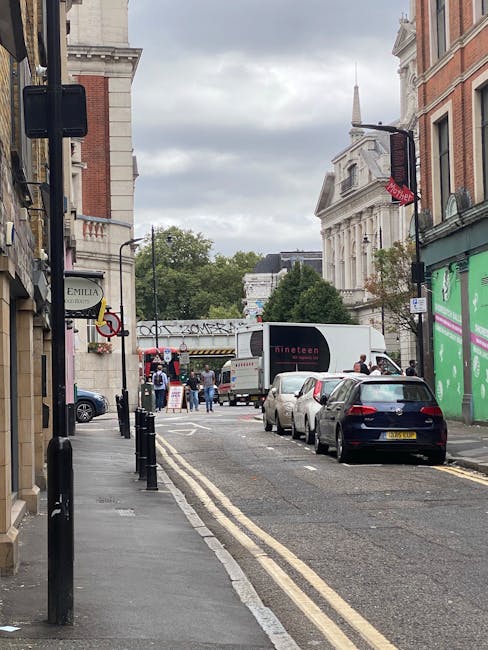
Kennington is a classic inner-London moving environment: terraced streets, mansion blocks, narrow access roads, yellow lines, and not always a generous amount of parking outside the front door. That matters because a removals vehicle may need a legal place to stop for loading and unloading, and in some streets that is not as simple as "just park there for a bit".
When a move blocks traffic or takes place in a controlled bay without the right permission, the consequences can range from inconvenient to genuinely costly. You may face a penalty, delays, awkward neighbour complaints, or the need to keep circling the block while everyone stands around holding a sofa. Not ideal. A little planning here saves real money and a lot of friction.
There is also a practical comfort factor. If the vehicle has a proper loading spot, movers can work faster and safer. Lifts are booked more efficiently, fragile items spend less time on the pavement, and the whole move has less of that rushed, shaky feeling that nobody enjoys at 8:15 on a Monday morning.
For people using house removals or flat removals in Kennington, parking permissions are not some administrative afterthought. They are part of the move itself. If you ignore them, the logistics tend to bite back later.
How Lambeth Council removals permit rules for Kennington moves Works
The basic idea is straightforward: if your removals vehicle needs to stop in a place that is controlled by parking restrictions, you must make sure the stop is allowed. In Lambeth, that often means checking the street rules, resident bays, loading restrictions, red routes nearby, permit bays, or any time-limited parking controls that affect where the van or truck can stand.
In practice, the process usually has a few moving parts:
- Street review: Check what parking controls apply outside both properties, not just the one you think is trickiest.
- Vehicle size: A small van may fit where a larger truck cannot, which can affect whether a permit is enough or whether a different loading strategy is needed.
- Loading duration: Some moves need only a short stop; others need a longer bay occupation. That changes the planning.
- Timing: Weekends, school runs, and rush hour can make a street feel narrower than it already is. Kennington roads can get busy very quickly.
- Evidence or booking details: Councils or local parking systems may require specific vehicle details, dates, times, or address information.
The exact permit type, if one is needed, depends on the road layout and the council's current arrangements. Because local rules can change, it is safer to check before you confirm your moving date rather than hoping it will all work out on the day. Hope is not a parking strategy.
If your move includes specialist items, such as a heavy upright or a fragile instrument, the parking setup becomes even more important. For example, piano removals need stable access, careful handling, and a vehicle position that does not add extra carrying distance for the crew.
Key Benefits and Practical Advantages
Handling parking permissions properly may sound dull, but it creates real advantages for the move as a whole. In inner London, the little details usually decide whether the day feels smooth or chaotic.
- Less risk of fines or objections: You reduce the chance of a vehicle being parked where it should not be.
- Faster loading and unloading: Movers spend more time moving items and less time adjusting position or walking extra distance.
- Better protection for furniture: Fewer long carries mean less chance of scuffs, knocks, or awkward lifts at the kerb.
- More accurate scheduling: A move with a reserved or suitable loading spot is easier to plan realistically.
- Lower stress: Honestly, this may be the biggest one. When parking is sorted, people relax a bit.
There is also a knock-on effect for costs. Even if a permit or parking solution has a fee, that cost can be cheaper than the time lost to delays, extra handling, or a rescheduled crew. A move is one of those jobs where a small upfront action can save a surprisingly large amount of trouble later.
For larger households or business relocations, a properly managed loading bay can also help coordinate multiple teams. If you are using removal services for a complex move, getting the parking arrangement right is part of the service quality, not separate from it.
Who This Is For and When It Makes Sense
This topic matters to more people than you might expect. It is not only about big vans and full-house moves. In Kennington, even smaller jobs can run into parking restrictions because the streets are dense and shared by residents, visitors, deliveries, and everyday traffic.
You are likely to need to think about Lambeth Council removals permit rules if you are:
- moving into or out of a flat with limited on-street access;
- using a removals van or truck that needs curbside loading space;
- planning a same-day relocation and cannot afford parking confusion;
- moving from a student property where short-stay loading is tight;
- relocating office equipment or stock from a commercial unit;
- dealing with heavy, awkward, or multiple items that need close vehicle access.
If you're doing a smaller move, a man and van or man with van setup can still require the same careful parking check. The vehicle may be smaller, yes, but the street rules do not suddenly become more forgiving just because the load is lighter.
The best moment to plan is before you book the moving date. The second-best moment is now. After that, things get more expensive and more awkward, which is a very London way for problems to behave.
Step-by-Step Guidance
Here is a practical way to deal with the parking side of a Kennington move without overcomplicating it.
- Check both addresses carefully. Do not just look at the new place. Departure and arrival streets can both have restrictions, and either one can create a bottleneck.
- Note the vehicle type. A removal van, moving truck, or smaller van each has different space needs. Be honest about the size you are likely to need.
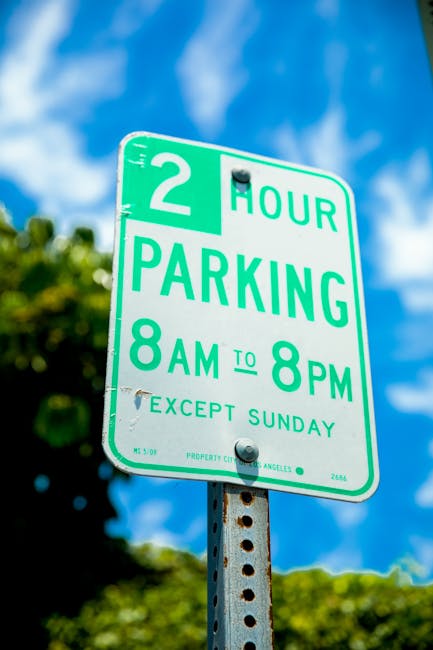
- Look at loading conditions on the street. Pay attention to bays, double yellow lines, time limits, resident-only spaces, and any signs around the property.
- Consider the time of day. A street that is manageable at 10:30 am may be a nuisance at school pick-up time or late afternoon.
- Decide whether a permit, suspension, or alternative loading plan is needed. If you are unsure, ask the moving team to help assess the risk before move day.
- Build in a buffer. Small delays happen: lift queues, weather, traffic, someone blocking the bay with a delivery. It is normal. Just allow for it.
- Confirm the details in writing. Keep the date, address, vehicle registration if needed, and any agreed loading instructions together.
- Prepare the property for fast access. Hallways clear, boxes labelled, parking spot usable, front door accessible. Simple things, but they matter.
One small but useful habit: stand outside the property for a minute and imagine the vehicle arriving, turning, stopping, and loading. You can often spot the issue before it becomes a problem. A low tree branch, a tight corner, a neighbour's recurring delivery spot-these things jump out when you actually look.
If packing is still underway, using packing and boxes or packing and unpacking services can free up time so you can deal with the parking admin properly. That is often where people get caught out: too many jobs, not enough bandwidth.
Expert Tips for Better Results
In our experience, the people who have the smoothest Kennington moves are not necessarily the ones with the biggest budget. They are the ones who remove uncertainty early. Here are a few habits that make a real difference.
- Measure the access realistically. If a large truck is overkill for the street, a smaller vehicle may actually save time.
- Keep building rules separate from parking rules. Flat management may control lift bookings or move-in times, while the council controls the street. Those are different things.
- Plan for awkward items first. Sofas, beds, wardrobes, mirrors, and anything fragile should drive the vehicle and access decision, not be an afterthought.
- Use one clear point of contact. Confusion grows fast when two family members are phoning around and one of them is already carrying a lamp.
- Have a backup plan. A nearby legal loading option, a second arrival window, or a smaller shuttle vehicle can rescue a difficult situation.
Here is the slightly unglamorous truth: the best moving days often look boring from the outside. The van parks where it should, the boxes move in a steady rhythm, and nobody has to run down the street looking for the driver. That is success.
If you are comparing providers, it can help to check the company's wider approach to reliability and customer care through pages like About us and Insurance and safety. The parking issue is one part of a bigger picture: planning, handling, safety, and communication.
Common Mistakes to Avoid
Most removals problems in this area are not dramatic. They are usually small assumptions that stack up. Here are the ones worth watching.
- Assuming the street is fine because it looked empty yesterday. Parking control does not care how empty it looked.
- Forgetting about the return journey. People often plan access for arrival, then overlook the departure side completely.
- Choosing a vehicle before checking access. A huge truck is not always the answer, especially in tighter Kennington streets.
- Leaving permit checks until the week of the move. By then, options can feel very limited.
- Ignoring building restrictions. A council-compliant street stop is no use if the building only allows a narrow moving window.
- Overpacking boxes and slowing everything down. More weight means more carrying time and more pressure on the route from van to front door.
Another common one: people believe that because a move is "just a few streets away", the parking plan can be casual. Not really. In London, short moves can be the most annoying, because you expect them to be easy and they rarely are unless someone has checked the basics.
For office moves or commercial premises, the same applies, just with more people involved. If you are relocating work equipment, see office removals and commercial moves for the kind of move where parking and timing can quickly affect the whole team.
Tools, Resources and Recommendations
You do not need a suitcase full of apps or a pile of spreadsheets to manage a Kennington move. But a few practical tools and good habits help a lot.
- Phone camera: Take photos of parking signs, bay markings, and the street layout. It helps later if someone needs a reminder.
- Simple checklist: Keep property access, parking, keys, and building rules in one place.
- Floor plan or room labels: Faster unloading means less time spent double-handling items while the vehicle waits.
- Route planning: Know whether a larger moving truck can actually reach the street comfortably.
- Storage option: If timing is messy, short-term storage can reduce pressure. That can be especially useful if completion times slip or you need to stagger the move.
For mixed loads or temporary holding, storage can be a practical back-up, especially when the parking or key handover timing is not perfect. And let's face it, sometimes the chain just does its own thing.
When you are comparing moving help, it can also be worth looking at the provider's practical transport options such as removal van, moving truck, or removal truck hire. The right vehicle is not the flashiest one. It is the one that suits the street and the load.
Law, Compliance, Standards, or Best Practice
For a move in Kennington, the relevant issue is usually practical compliance with local parking controls, highway restrictions, and any building rules that apply to the property. Exact arrangements can vary by street and can change over time, so it is wise to treat any moving plan as something to verify rather than assume.
From a best-practice point of view, a removal company should aim to:
- assess access and parking before move day;
- use vehicles appropriately sized for the street;
- keep loading and unloading safe for the team and the property;
- avoid obstructing neighbours or pedestrians unnecessarily;
- work in line with reasonable local parking and safety expectations.
It is also sensible to think about insurance and safe handling together. Parking errors are one issue; dropped items, blocked walkways, and rushed lifting are another. Good practice means reducing both. If you want to understand the broader approach a mover takes, the company's health and safety policy and terms and conditions are useful places to review the standards they say they follow.
No sensible mover should promise a one-size-fits-all answer here. Streets differ, council requirements differ, and household circumstances differ. The honest approach is to check early, plan clearly, and leave room for a little London unpredictability.
Options, Methods, or Comparison Table
If you are deciding how to handle the move, it helps to compare the common approaches side by side. The best choice usually depends on street access, load size, and how much time you have.
| Approach | Best for | Pros | Things to watch |
|---|---|---|---|
| Small van | Light moves, tight streets, student or one-bedroom jobs | Easier parking, simpler access, less street obstruction | May require more trips if the load is large |
| Standard removals van | Typical household and flat moves | Good balance of capacity and manoeuvrability | Still needs careful parking checks in Kennington |
| Moving truck | Large homes, full relocations, commercial loads | More capacity, fewer journeys | Harder to position, more likely to need a proper loading plan |
| Shuttle or split-load method | Restricted streets or awkward access | Flexible and often safer for tight areas | Requires extra coordination and timing |
There is no universal winner. A small van can be the right answer for one Kennington street and a headache on the next. The trick is matching the vehicle to the real access, not the idealised version in your head.
If you are still early in the process, browsing removal companies can help you compare how different teams handle access, parking, and planning. The best providers are usually pretty plain about the practical limits, which is reassuring in its own way.
Case Study or Real-World Example
Imagine a couple moving from a second-floor flat in Kennington to a nearby street just a few minutes away. It sounds straightforward. Same area, short distance, no cross-city travel. But the departure street has tight parking, a resident bay outside the building, and a morning delivery pattern that means vehicles come and go every few minutes. The new street has better space, but only if the vehicle arrives before lunchtime.
They choose a removal van rather than a larger truck. The mover checks the loading arrangements in advance, the boxes are labelled by room, and the biggest items are loaded first. Because parking has been thought through, the van stops close to the entrance, the movers do not have to carry wardrobes half a street, and the move finishes before the afternoon traffic builds up. Simple. Not glamorous, just effective.
Now compare that to the version where nobody checks access. The vehicle arrives late, there is nowhere obvious to stop, and the team has to wait while someone jogs round looking for a legal space. A few minutes become twenty. The clock keeps moving. People get tired and snappy. You can probably picture it without much effort.
That is why the parking plan matters so much for Kennington moves. It does not merely protect you from penalties; it protects the tone of the day.
Practical Checklist
Use this checklist a few days before the move, then again the day before. It keeps the admin compact and manageable.
- Confirm the moving date and time window.
- Check parking rules at both the old and new address.
- Decide whether the vehicle needs a loading bay, permit, or alternative arrangement.
- Choose the right vehicle size for the street and the load.
- Notify the mover about stairs, lifts, narrow corridors, or awkward access.
- Label fragile or heavy items clearly.
- Keep keys, documents, and phone chargers easy to reach.
- Clear hallways, doorways, and front access paths.
- Take photos of signage or any pre-agreed parking setup.
- Have a backup plan if parking space is unexpectedly blocked.
Quick reminder: a calm move is usually the result of small, boring decisions made early. That is not exciting, but it works.
Get a free quote today and see how much you can save.
Conclusion
Lambeth Council removals permit rules for Kennington moves are really about one thing: making sure your vehicle can stop, load, and leave without drama. That sounds basic, but in a busy part of London, basic is valuable. If you understand the parking controls, choose the right vehicle, and plan access properly, the rest of the move becomes much easier to manage.
The best approach is practical, not perfect. Check the street rules, respect the restrictions, keep your team informed, and leave a little room for the unexpected. That way, your moving day feels like a move rather than a parking puzzle.
And once the last box is through the door, the kettle boils, and the street noise fades a bit, you will be glad you handled the details early. Small effort. Big difference.
Frequently Asked Questions
Do I need a permit for a removals van in Kennington?
Sometimes, yes, depending on the street, the type of parking controls in place, and how long the van needs to stop. The safest approach is to check the rules for both the departure and arrival address before move day.
Can I just use a normal parking bay for a house move?
Only if that bay allows the type of stop you need. Some bays are restricted by time, vehicle class, or resident status. A moving vehicle is not automatically exempt just because it is there to load boxes.
What happens if the removals vehicle gets a parking ticket?
It can add avoidable cost and delay, and in some cases it may affect the flow of the move. The better route is to plan the stop properly rather than deal with the fallout afterwards.
How far in advance should I check parking rules?
As early as possible. A few days can be enough for a simple move, but earlier is better in busy periods or if your street has complicated restrictions. Truth be told, leaving it to the last minute is asking for stress.
Are small vans easier than large trucks in Kennington?
Usually, yes. Smaller vans are generally easier to place on narrow streets and may be more suitable where access is tight. But the right choice still depends on the size of your load and the exact property access.
Do flat moves need the same parking checks as house moves?
Yes. In some cases they need even more care because flats often involve limited outside space, shared entrances, and lift or stair access that slows loading.
What if the council rules are different on moving day?
If something has changed, your moving plan may need to adapt. That is why it is helpful to keep screenshots, photos, or written notes of the arrangements and to allow some flexibility in timing.
Can a removal company help with the parking plan?
A good one should be able to advise on vehicle choice, access issues, and the practical side of loading. They may not control the council rules, but they should understand how to work around them sensibly.
Is same-day moving more risky from a parking point of view?
It can be, because there is less time to sort out access, permits, or parking alternatives. If you need speed, you want every other part of the process to be as organised as possible. See same-day removals if timing is especially tight.
What should I do if my road is too tight for the vehicle I planned?
Switch to a smaller vehicle, use a shuttle method, or rethink the loading point. It is far better to adjust the plan than to force a large vehicle into a street that simply does not suit it.
How do I make a move smoother in a busy London street?
Use a clear checklist, pick the right vehicle, check parking rules early, and keep the load organised. It sounds simple because it is simple. The hard part is doing it before the day gets noisy and rushed.
Where can I find more help with my move?
You can explore practical support pages such as home moves, student removals, or office relocation services depending on the type of move you are planning. If you want to review company information before booking, pricing and quotes is also a sensible place to start.