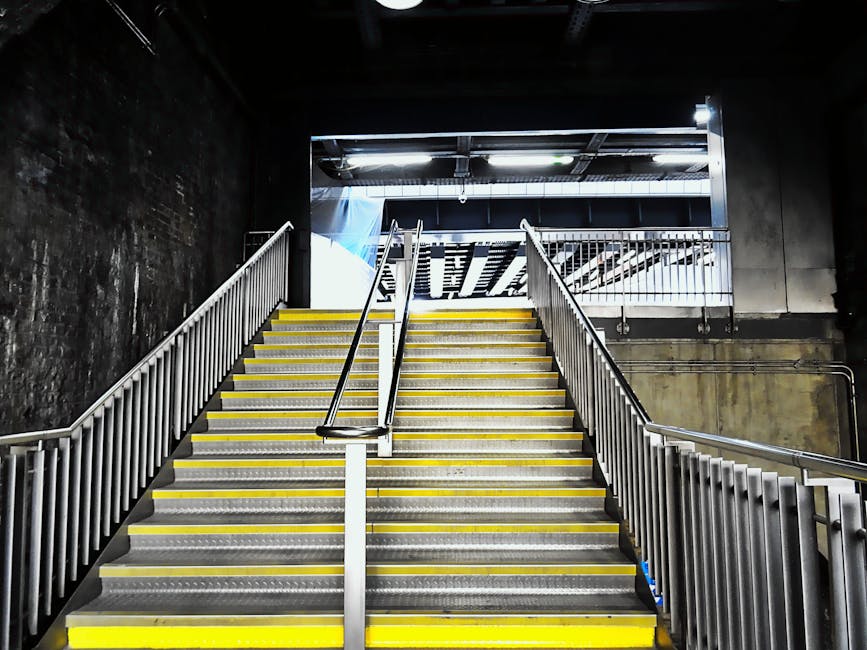
Narrow access removals SE11 expert tips for tight staircases
If you are trying to move out of a flat with a narrow hallway, a steep landing, or one of those tight SE11 staircases that seem to turn at the worst possible angle, you already know the problem: a normal move can become a careful puzzle. Narrow access removals in SE11 are all about planning, patience, and the right method rather than brute force. In this guide, you will find expert tips for tight staircases, what to expect on the day, and how to avoid the common mistakes that turn a move into a long, stressful afternoon.
Truth be told, most access problems are manageable if they are thought through early. The key is not to wait until the van is outside and the sofa is stuck halfway down the stairs. Let's get practical.
Why Narrow access removals SE11 expert tips for tight staircases Matters
SE11 properties often include period conversions, compact flats, split-level layouts, basement entries, and stairwells that were never designed for modern wardrobes or extra-wide mattresses. That does not make the move impossible. It just means the move has to respect the building, the furniture, and the route between the two.
Why does that matter so much? Because most damage during a move happens in transit through the awkward bits: the landing corner, the banister, the front step, the tight doorway, the lift that is a bit too small, or the turn at the bottom of the stairs where everyone pauses and says, "Right... now what?"
Planning for narrow access is also about protecting your time and budget. A move that is carefully assessed tends to go more smoothly, with fewer surprises and fewer last-minute changes. If you are comparing removal services or looking at a more flexible man and van option, access details can make a bigger difference than the distance between addresses. In some cases, the right choice is less about vehicle size and more about who can safely lift, angle, and carry each item through the property.
Expert summary: Narrow access removals are successful when the route is measured, the furniture is prepared, and the team chooses the correct lifting method before anyone starts carrying. The stairs are not the problem by themselves; the lack of planning is.
How Narrow access removals SE11 expert tips for tight staircases Works
The process usually starts with an access review. That may be a quick walk-through, photos, or a phone discussion where you describe the staircase, the width of the hallway, the number of turns, and whether any items need to be dismantled. For a lot of flats, especially where the entrance is shared, the practical question is simple: can the item move safely in one piece, or does it need to come apart?
From there, the moving plan is built around the route. That might include:
- measuring the largest furniture items against door frames and stair width
- protecting walls, bannisters, and flooring before lifting begins
- choosing the right number of movers for heavier or awkward items
- deciding whether items should be dismantled first
- booking a packing and boxes service if fragile items need extra care
- allowing extra time for turns, pauses, and careful manoeuvring
On the day, the team will usually work from the inside out. Small items and boxes go first, then medium furniture, and finally the large, awkward pieces that need the most concentration. That sequence reduces clutter in the stairwell and helps keep escape routes open. It also makes the move feel less chaotic, which, to be fair, is half the battle.
If the property is especially tight, sometimes a different service mix works better. A compact vehicle such as a removal van may be more suitable than a larger truck, while a wider move involving multiple loads can benefit from house removals support and careful scheduling. There is no single answer. The route decides the method.
Key Benefits and Practical Advantages
When narrow access is handled properly, the benefits are very real. You are not just avoiding scratches. You are making the whole move calmer and more predictable.
- Less risk of damage: careful handling reduces marks on walls, scuffs on furniture, and chips on stair edges.
- Faster decision-making: once the route is measured, the team can choose the right approach quickly.
- Better use of labour: the right number of movers and the right equipment can save time and energy.
- Lower stress: you will not be improvising with a sofa wedged at a landing, which is never fun.
- More suitable service choice: narrow access may point you toward flat removals, a smaller van, or even temporary storage if access timing is awkward.
There is also a subtle benefit people forget: better neighbour relations. In shared SE11 buildings, keeping hallways clear, noise controlled, and movement efficient is a practical courtesy. A tidy, well-run move is usually noticed in the best possible way: barely at all.
Who This Is For and When It Makes Sense
This kind of move makes sense for anyone dealing with a constrained route, but it is especially relevant if you live in a top-floor flat, a converted terrace, or a property with a narrow staircase and limited landing space. It also applies to people moving heavier individual items that simply do not enjoy corners. Pianos, wardrobes, large mirrors, and bed frames are the usual suspects.
It can be the right choice if you are:
- moving from a one- or two-bedroom flat with a tight internal staircase
- relocating furniture from a basement or upper-floor property
- moving on a deadline and need a team that can work efficiently
- moving a mix of delicate and bulky items
- trying to avoid damage in a shared block or period building
It is also a sensible route for students and renters who have a limited amount of stuff but still face a difficult staircase. Sometimes a student removals approach is the perfect fit: compact, focused, and not overcomplicated. Other times, if the move includes more furniture than expected, a larger home-based plan is the safer call.
If you are unsure, ask yourself one simple question: can the biggest item be moved without forcing it, twisting it, or carrying it at a weird angle that makes everyone go quiet? If the answer is no, you probably need a specialist approach.
Step-by-Step Guidance
- Walk the route before moving day. Start at the front door and follow the exact path out. Note stair turns, narrow spots, low ceilings, awkward corners, and anything that could catch on handles or feet.
- Measure the largest items. Check width, height, and depth of wardrobes, sofas, mattresses, desks, and appliances. It helps to compare those measurements with stair width and door openings. Not glamorous, but very useful.
- Decide what can be dismantled. Remove legs, doors, shelves, and loose fittings where possible. A small amount of disassembly can save a lot of frustration later.
- Choose the right service type. Some jobs suit a simple vehicle and loading support, while others need more complete removals planning. If the job is more complex, do not be tempted to underbook.
- Protect the property. Use coverings for bannisters, corners, flooring, and thresholds. Shared buildings especially benefit from this step.
- Pack by access order. Put the easiest-to-move boxes together and keep the most fragile or awkward items clearly labelled.
- Load strategically. Keep frequent-use items accessible and heavier pieces secure so they do not shift during transport.
- Allow extra time. Tight staircases are rarely a "quick in and out" situation. A little breathing room in the schedule makes a huge difference.
In our experience, the smoothest jobs are the ones where nobody rushes the first 20 minutes. That early pace sets the tone for the whole move.
Expert Tips for Better Results
Here is where the little details really matter. You do not need complicated tricks. You need a few reliable habits.
- Tip 1: Use the landing as a staging point. Instead of forcing a long object around a corner in one go, pause, reset the grip, and rotate carefully.
- Tip 2: Protect the stair edge before the first carry. It is much easier to prevent damage than to apologise for it later.
- Tip 3: Keep hands free and pockets empty. Keys, loose phones, and clutter in hands become tiny annoyances exactly when you do not need them.
- Tip 4: Wrap awkward surfaces early. Mattresses, glass fronts, glossy wardrobes, and table legs all benefit from proper wrapping.
- Tip 5: Communicate one move at a time. On a tight staircase, too much talking gets in the way. Clear calls are better than chatter.
- Tip 6: Match item shape to route shape. A sofa that is technically "not too big" may still be too long for the turn. Shape matters more than the label on the furniture.
And one slightly underrated tip: if something looks marginal, stop and reassess before lifting. It is not weakness. It is intelligence. A five-second pause can save twenty minutes of awkward shuffling and a bruised shin.
Common Mistakes to Avoid
Most problems on tight staircases come from assumptions. People assume the item will fit, assume the route will be obvious, or assume the move will feel easier once it starts. Sometimes it does. Often it does not.
- Skipping measurements: guessing usually creates avoidable problems.
- Forcing oversized furniture: if it needs to be pushed, twisted, and prayed over, it probably needs dismantling.
- Using the wrong vehicle size: bigger is not always better in narrow-access moves.
- Leaving packing until the last minute: rushed boxes are more likely to split or be awkwardly balanced.
- Ignoring building rules: some blocks have loading windows, lift restrictions, or communal access expectations.
- Not preparing for weather: rain on a narrow entrance or worn steps can make everything slower and more slippery.
Another big one: forgetting about the return journey. If furniture is going out, something may need to come in later the same day. Keep the route clear both ways. That sounds obvious, but honestly, it gets missed more than you would think.
Tools, Resources and Recommendations
For a narrow-access move, a few tools do a lot of heavy lifting, sometimes literally. You do not need a warehouse of equipment. Just the right kit in the right place.
| Tool or resource | What it helps with | Best used when |
|---|---|---|
| Measuring tape | Checking furniture size, stair width, and doorway clearance | Before booking or dismantling anything |
| Furniture blankets and wraps | Protecting surfaces during turns and carries | For wardrobes, sofas, tables, and media units |
| Corner protectors | Reducing impact on walls and bannisters | When the staircase has tight turns or sharp edges |
| Basic toolkit | Removing legs, handles, shelves, and fixtures | Before the large items leave the room |
| Labelling system | Keeping boxes organised and load order sensible | During packing and on moving day |
If your move is part of a larger home change, a broader plan such as home moves support can help keep the packing, lifting, and scheduling aligned. For delicate items, extra wrapping and specialist handling may be worth it, especially if you are also using furniture removals for a bulky dining set or an old cabinet that has survived three different homes already.
A sensible recommendation? Always combine measurements with photos. A quick picture of the staircase, taken from below and above, tells a mover a lot more than "it's quite narrow, but probably fine." Probably is doing a lot of work there.
Law, Compliance, Standards and Best Practice
For residential moving, the main issue is usually not one dramatic legal rule but a bundle of everyday duties: safe handling, reasonable care, clear communication, and respect for property. In the UK, moving teams are generally expected to work in line with sensible health and safety practice, and clients should also be honest about access conditions so the move can be planned properly.
That means a few things in practice:
- workers should not be asked to lift in a way that creates obvious avoidable risk
- shared areas should be protected from damage where practical
- access details should be disclosed before the move begins
- insurance expectations should be clear if items are fragile or unusually valuable
If you want confidence around process and accountability, it helps to review a company's health and safety policy and its insurance and safety information before you book. That is not being fussy. It is simply the sensible way to reduce uncertainty.
For businesses, access issues can also affect compliance with building management rules and timing windows, especially in mixed-use or shared premises. If you are moving desks, files, and equipment, commercial moves and office removals may need more structured planning than a standard domestic move. Different setting, different pressure, same basic principle: plan the route first.
Options, Methods, or Comparison Table
There are usually several ways to handle a narrow-access move. The best choice depends on the staircase, the number of items, and how much dismantling you are willing to do.
| Method | Best for | Pros | Watch-outs |
|---|---|---|---|
| Careful carry in one piece | Smaller items and furniture that already fits well | Fast, simple, less dismantling | Can fail quickly if the turn is tighter than expected |
| Dismantle and reassemble | Wardrobes, bed frames, desks, large shelving units | Much easier through narrow staircases | Needs tools, time, and careful labelling |
| Smaller vehicle with focused load | Compact flat moves, lighter households, student moves | Flexible, efficient in tight streets | May need multiple trips if the load is larger than expected |
| Full-service removals team | Complex homes, awkward access, heavy furniture | More hands, more planning, less strain on you | Higher overall cost than a minimal approach |
For most SE11 tight-staircase moves, a mixed method works best. That might mean dismantling some furniture, using a compact vehicle, and scheduling enough labour to handle the awkward pieces. A rigid one-size-fits-all approach usually misses the mark.
Case Study or Real-World Example
Imagine a second-floor flat in SE11 with a steep internal staircase, a narrow front hall, and a large sofa that looked manageable in the living room but suddenly became very ambitious once it reached the landing. The move starts on a wet morning, and there is already a bit of foot traffic on the shared stairs. Not ideal.
The team begins with an access check, protects the bannister and corners, and measures the sofa against the turn. It is close. Too close to risk forcing it. So the legs are removed, the cushions are wrapped separately, and the frame is carried in the best angle for the landing. The hallway stays clear, the item clears the staircase without damage, and the client avoids the sort of moment where everyone has to pretend this was always part of the plan.
What made the difference? Three things:
- the route was checked before lifting
- the sofa was adapted to suit the staircase
- the team did not rush the turn
That kind of result is common when the move is treated as an access problem first and a lifting problem second. It sounds small, but it changes everything.
Practical Checklist
Use this before moving day if you are dealing with a tight staircase or other narrow access challenge.
- Measure the staircase, landings, door frames, and the largest furniture items.
- Take photos of the route from both directions.
- Decide which items should be dismantled in advance.
- Label fragile and awkward boxes clearly.
- Protect walls, bannisters, floors, and corners.
- Confirm whether a smaller vehicle is more suitable than a large one.
- Keep communal areas as clear as possible.
- Allow extra time for loading and unloading.
- Prepare a basic toolkit and wrapping materials.
- Check the plan for items going into storage if access or timing is tricky.
Small checklist, big difference. That is usually how it goes with moving.
If you want a smoother, less stressful move, compare your options early and look at the right level of support before the day arrives. A well-planned move is always cheaper in energy, and often in time too.
Get a free quote today and see how much you can save.
Conclusion
Narrow access removals in SE11 are not about forcing a big move through a small staircase. They are about choosing the right strategy, preparing the route, and treating every awkward turn with a bit of respect. If you measure properly, pack sensibly, and choose the right team and vehicle, even the tightest staircase becomes manageable.
The best moves feel almost boring in hindsight. That is the goal. No drama, no scraped banister, no last-minute panic, just a steady, careful process that gets everything where it needs to be.
And once the final box is down, the kettle is in, and the stairs are empty again, it really does feel worth the effort.
Frequently Asked Questions
What does narrow access removals mean in SE11?
It refers to moving home or furniture where access is limited by narrow staircases, tight hallways, awkward turns, small doorways, or restricted shared entrances. In SE11, this is especially common in flats and converted properties.
How do I know if my staircase is too narrow for furniture?
The safest way is to measure the staircase, landings, and furniture in advance. If the biggest item needs to be twisted hard, lifted awkwardly, or forced around a turn, it is probably too tight to move safely in one piece.
Should I dismantle furniture before a tight staircase move?
Usually, yes for larger items. Beds, wardrobes, desks, and some sofas often move far more safely when legs, doors, or sections are removed first. It saves stress and reduces the risk of damage.
Is a smaller van better for narrow access removals?
Not always, but often. A smaller vehicle can make loading easier on tight residential streets and may suit compact loads better. The right choice depends on access, the number of items, and whether multiple trips are needed.
How much extra time should I allow for tight staircases?
There is no fixed rule, but you should allow more time than for a standard move. Narrow access typically slows down loading and unloading because items need to be turned, paused, and carried more carefully.
Can movers protect my stairs and walls?
Yes, that is standard good practice. Protecting bannisters, corners, floors, and door frames helps reduce scuffs and impact damage. It is one of the easiest ways to keep the move under control.
What are the most difficult items to move on tight staircases?
Large sofas, wardrobes, mattresses, glass furniture, heavy cabinets, and awkwardly shaped items tend to be the hardest. Shape can be a bigger issue than weight, which surprises people sometimes.
Are narrow access removals more expensive?
They can be, because they often take more time, more labour, or more preparation. That said, careful planning can reduce cost by avoiding damage, delays, and unnecessary repeat trips.
What should I tell the removals team before booking?
Share the staircase width, number of floors, any tight turns, parking details, item sizes, and whether anything needs dismantling. Clear access information leads to a better plan and fewer surprises on the day.
Do narrow access moves work for flats and student properties?
Yes, very often. In fact, compact flat moves and student removals are common examples where careful access planning makes everything easier. The fewer items you have, the more important the route becomes.
What if my furniture does not fit through the staircase at all?
Then the team may need to dismantle it further, use an alternative route, or in some cases move the item by a different method. The earlier that is identified, the better, because last-minute problem-solving is never the ideal version of a move.
How can I make my move less stressful overall?
Start with measurements, keep packing organised, book the right level of support, and leave a bit of breathing room in the schedule. The calmer the plan, the calmer the day. Simple as that, really.